
Night Blindness: Why You Struggle in Low Light and What It Might Mean
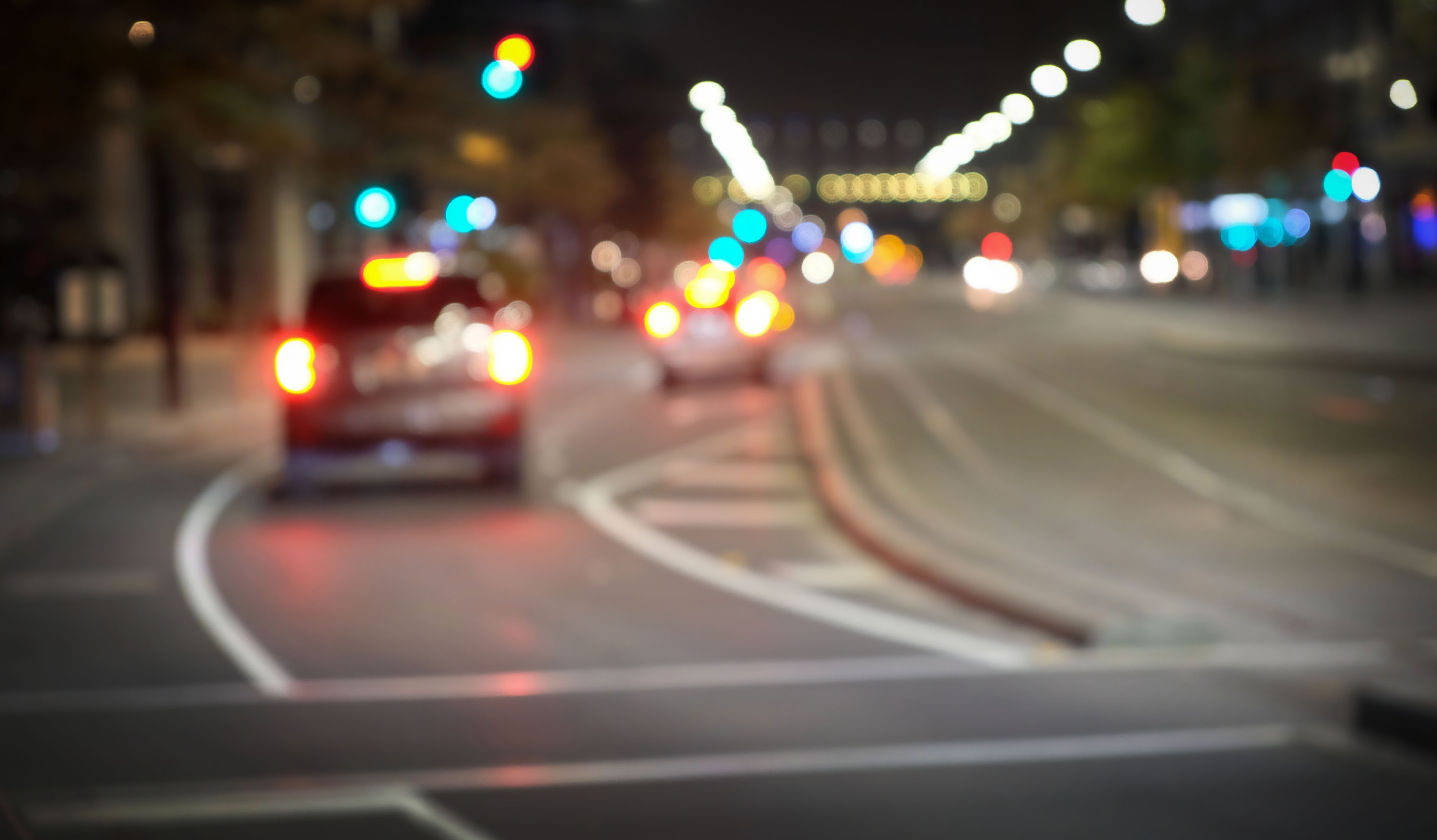
Night Blindness: Why You Struggle in Low Light and What It Might Mean
Have you ever walked into a dark room and had to adjust to the dark at first? That is normal, your eyes just need a moment to adjust. But if you often struggle to see at night, or your eyes never seem to get used to the dark, it could mean something more. Night blindness, or nyctalopia, is not a disease by itself. It usually means there is another problem affecting your eyes.
Two main parts of your eye help you see when it is dark. First, your pupils get larger to let in more light. Then, the light goes to your retina, where special cells called rods do most of the work. Rods help you see black and white in low light. If light does not reach the retina, or if the rods are not working well, your night vision will suffer.
What Night Blindness Feels Like
People notice night blindness in different ways. Some say things look darker or blurrier after sunset. Others find their eyes take a long time to adjust when moving from bright to dark places. You might have trouble seeing stars at night or notice that headlights cause too much glare. If driving at night feels unsafe, pay attention; your eyes are trying to tell you something.
Common Causes of Night Blindness
· Cataracts
Cataracts make the lens inside your eye cloudy, like looking through a foggy window. This cloudiness scatters light and makes it harder to see at night. You might see halos around streetlights or have trouble with glare from oncoming cars. Cataracts develop slowly and can be treated with surgery.
· Vitamin A Deficiency
Vitamin A helps your retina make a pigment called rhodopsin, which you need to see in low light. Without enough vitamin A, your night vision can get worse. This is rare in developed countries, but it can happen after weight-loss surgery or with some digestive problems.
· Nearsightedness
If you are nearsighted, things far away look blurry even during the day. At night, this blurriness stays and can even feel worse because your pupils get bigger and let in more unfocused light.
· Glaucoma
Glaucoma damages the optic nerve and often first affects your side vision. It can also make it harder to see differences in light and dark, which can hurt your night vision. No early symptoms means regular eye exams are essential.
· Diabetic Retinopathy
High blood sugar damages retinal blood vessels. Night vision trouble is often an early sign. If you have diabetes and notice this, get checked.
· Retinitis Pigmentosa
This is a group of inherited conditions in which the rod cells in your retina gradually stop working. Night vision usually suffers first. As it progresses, tunnel vision sets in, followed by major vision loss.
· Refractive Surgery
Procedures like LASIK reshape your cornea to improve vision. Sometimes, this changes how light enters the eye, causing glare or halos at night. For most people, this improves over time.
When to See a Doctor
If you have new night vision problems, if they are getting worse, or if they make you feel unsafe, see an eye doctor. The doctor will ask about your symptoms, check your eyes, and run tests to find the cause. Some problems are easy to fix, like getting new glasses or taking vitamins. Others may need ongoing care.
Until you know what is happening, avoid driving at night. It is not worth the risk. Your safety and the safety of others come first.
Night blindness is not something you should ignore. It is a sign that something in your eye needs attention. Most causes can be treated, and even those that cannot can be managed with the right support. If seeing in the dark is getting harder, let an eye doctor help you find out why.
To learn more about night blindness, visit Eastlake Vision in Chula Vista, California. Call (619) 421-5550 to make an appointment.
https://my.clevelandclinic.org/health/symptoms/10118-night-blindness-nyctalopia


MAP



Eastlake Vision
Monday 9:00 AM - 6:00 PM
Tuesday 9:00 AM - 5:00 PM
Wednesday 9:00 AM - 5:00 PM
Thursday 9:00 AM - 6:00 PM
Friday 9:00 AM - 2:00 PM
Saturday 9:00 AM - 3:00 PM
Sunday Closed
Powered by: 